Uganda Edition

March 23, 2027

Ugandan Christianity : The Balokole leads today's complete edition for Uganda.

THIS DATE IS IN EDITING AND IS INCOMPLETE. Our editors are building this day's calendar now. JOIN OUR EDITORS →

Daily Edition

Tuesday, March 23, 2027

Official observances, world days, local context, and everyday celebrations for people who need something worth reading, sharing, or talking about today.

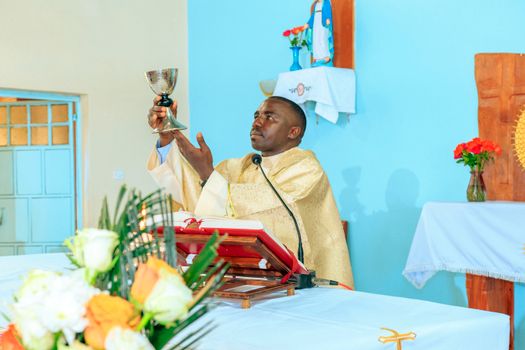
A priest holds a chalice during a Mass ceremony in a church setting, featuring floral decoration.
Regional/Cultural Day

Ugandan Christianity : The Balokole

The Balokole (or "saved ones") are a Protestant revival movement that began in Uganda in the 1930s, and they are one of the most distinctive Christian communities in Africa. The Balokole emphasize personal conversion, holiness, and evangelism, and they are known for their loud, enthusiastic worship. AHA! moment: Uganda is one of the most Christian countries in Africa (about 85% of Ugandans are Christian), and the Balokole movement is one of the reasons why. The movement began at the Makerere University in the 1930s, and it quickly spread across the country. The Balokole are known for their early morning prayer meetings (which start at 5:00 AM), their loud singing and clapping, and their strict moral code (no alcohol, no smoking, no dancing, no premarital sex). The real AHA! moment? The Balokole movement has produced some of the most influential Christian leaders in Africa, and it has shaped Ugandan politics, education, and culture in profound ways. The saying goes: "In Uganda, the church is never far from the State House." . 2026: Mar 4. 2027: Mar 23.
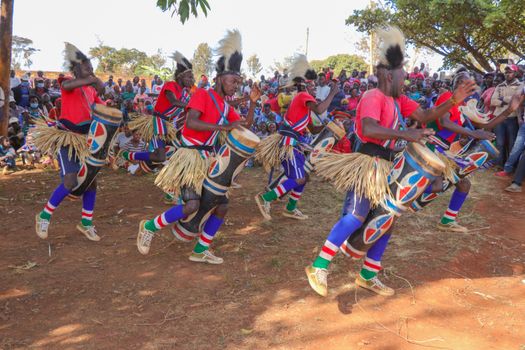

Vibrant scene of traditional drummers performing in lively cultural festival outdoors.
Regional/Cultural Day

Ugandan Dance : The Kiganda and Beyond

Uganda has a rich tradition of dance, and each ethnic group has its own distinctive dances. The Baganda have the bakisimba (a royal dance), the Banyankole have the ekitaguriro (a cattle dance), the Basoga have the tamenha ibuga (a celebration dance), and the Acholi have the bwola (a war dance). AHA! moment: The bakisimba is the most important dance in Buganda, and it was originally performed for the kabaka (king). The dance is performed by women who move their hips in a slow, graceful circle, while the men play the drums and sing. The real AHA! moment? The bakisimba was originally a fertility dance, and it was performed to ensure the fertility of the land and the people. Today, it is performed at weddings, funerals, and other important occasions, and it is considered the most elegant dance in Uganda. The saying goes: "If you can dance the bakisimba, you can dance anything." . 2026: Mar 4. 2027: Mar 23.

Vibrant top view of a traditional African table with pizza and beverages, creating a lively dining atmosphere.
Regional/Cultural Day

Ugandan Fashion : Kitenge and Gomesi

The kitenge is a colorful African fabric that is worn by women across East Africa, and the gomesi is the traditional dress of the Baganda women. The gomesi is a long dress with a square neckline, short sleeves, and a sash tied around the waist. AHA! moment: The gomesi was introduced to Uganda by the French White Fathers (Catholic missionaries) in the early 20th century, and it was originally called the "missionary dress." The Baganda women adapted it to their own style, adding the sash (kamulindo) and the shoulder pads (emitumba). The gomesi is now the most formal dress for Baganda women, and it is worn at weddings, funerals, and other important occasions. The real AHA! moment? The gomesi is so important that a woman cannot attend a Buganda kingdom ceremony without wearing one. The gomesi is not just a dress. It is a uniform, a passport, and a statement of identity. . 2026: Mar 4. 2027: Mar 23.

Portrait of an African man in a black t-shirt holding a document indoors with a bookshelf background.
Regional/Cultural Day

Ugandan Literature : Okot p'Bitek

Okot p'Bitek is Uganda's most famous writer, and his epic poem "Song of Lawino" (1966) is one of the most important works of African literature. The poem is written in the voice of a woman named Lawino, who complains that her husband, Ocol, has abandoned their traditional culture in favor of Western ways. AHA! moment: "Song of Lawino" was originally written in Acholi (p'Bitek's mother tongue), and it was translated into English by the author himself. The Acholi version is called "Wer pa Lawino," and it is considered the definitive version. The real AHA! moment? p'Bitek once said: "I am not a poet. I am an hornbill singing in the wilderness." The poem is a powerful critique of colonialism and the loss of African identity, and it is still relevant today. The poem ends with Lawino saying: "The pumpkin in the old homestead must not be uprooted!" : meaning that African traditions must not be abandoned. . 2026: Mar 4. 2027: Mar 23.

Open notebook with handwritten script surrounded by vibrant autumn leaves, offering a cozy and creative vibe.
Regional/Cultural Day

Ugandan Poetry : The Okot p'Bitek Tradition

Okot p'Bitek is Uganda's most famous poet, and his epic poem "Song of Lawino" (1966) is one of the most important works of African literature. The poem is written in the voice of a woman named Lawino, who complains that her husband, Ocol, has abandoned their traditional culture in favor of Western ways. AHA! moment: "Song of Lawino" is a powerful critique of colonialism and the loss of African identity, and it has been translated into over 20 languages. The poem ends with Lawino saying: "The pumpkin in the old homestead must not be uprooted!" : meaning that African traditions must not be abandoned. The real AHA! moment? Okot p'Bitek originally wrote the poem in Acholi (his mother tongue), and the Acholi version ("Wer pa Lawino") is considered the definitive version. The English translation is beautiful, but the Acholi version is music, poetry, and philosophy : all at the same time. . 2026: Mar 4. 2027: Mar 23.

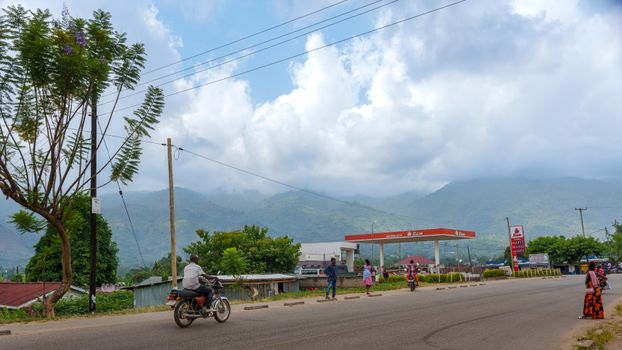
Lively street scene in Uganda with motorcycles and distant hills. Captures local life.
Regional/Cultural Day

Ugandan Urban Life : Kampala, the City of Seven Hills

Kampala is the capital of Uganda, and it is built on seven hills (like Rome and Lisbon). The city is a chaotic, colorful, vibrant metropolis of over 1.5 million people, and it is the economic, cultural, and political center of Uganda. AHA! moment: The seven hills of Kampala are: Makerere Hill (the university), Kololo Hill (the diplomatic quarter), Nakasero Hill (the government quarter), Kampala Hill (the old city center), Lubaga Hill (the Catholic cathedral), Namirembe Hill (the Protestant cathedral), and Kibuli Hill (the mosque). The real AHA! moment? Each hill represents a different aspect of Ugandan life : education, diplomacy, government, commerce, Catholicism, Protestantism, and Islam. The seven hills are a metaphor for Uganda's diversity, and the saying goes: "Kampala is a city of seven hills, and each hill tells a different story." . 2026: Mar 4. 2027: Mar 23.

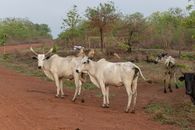
Zebu cattle on a dirt road amidst trees in Dassa, Benin.
Regional/Cultural Day

Animals of Benin Day

You witness African elephants, lions, and spotted hyenas as the distinctive wildlife native to Benin. You see dogs, cats, and guinea fowl kept as pets in Beninese households and villages. ACADA celebrates the world's pets, and helps assure better care.

A vibrant display of Trinidad and Tobago souvenirs in a Caribbean gift shop.
Regional/Cultural Day

Products of Trinidad and Tobago Day

You celebrate Angostura bitters, the world-renowned flavoring syrup produced in Trinidad since 1824, and Carib beer, the national lager that defines local gatherings and festivals. You recognize how Angostura bitters became essential to cocktail culture globally, while Carib beer represents Trinidadian identity and hospitality.