Uganda Edition

March 22, 2027

World Water Day : The Source of the Nile leads today's complete edition for Uganda.

THIS DATE IS IN EDITING AND IS INCOMPLETE. Our editors are building this day's calendar now. JOIN OUR EDITORS →

Daily Edition

Monday, March 22, 2027

Official observances, world days, local context, and everyday celebrations for people who need something worth reading, sharing, or talking about today.

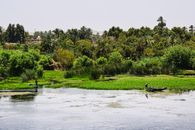
Lush vegetation alongside the Nile with traditional boats on a sunny day.
Regional/Cultural Day

World Water Day : The Source of the Nile

The Nile is the longest river in Africa, and its source has been debated for centuries. The British explorer John Hanning Speke "discovered" the source of the Nile at Ripon Falls (now submerged under the Owen Falls Dam) on Lake Victoria in 1862. But the debate has never been settled: is the source at Ripon Falls, or is it the Kagera River, which flows into Lake Victoria from Burundi and Rwanda? AHA! moment: Uganda built a monument at the "Source of the Nile" in Jinja, and tourists come from all over the world to see it. But the truth is that the Nile starts in the highlands of Burundi and Rwanda, flows through the Kagera River into Lake Victoria, and then out through Ripon Falls. The source is not a single point : it is an entire river system. The Ugandan government, however, prefers the Jinja version because it brings tourists.
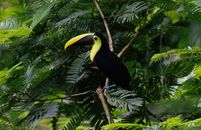
Keel-billed toucan perched among lush green foliage in tropical rainforest.
Regional/Cultural Day

Animals of Belize Day

You observe jaguars, pumas, and Baird's tapirs as the most iconic wildlife native to Belize. You commonly keep dogs, cats, and iguanas as pets throughout Belizean communities. ACADA celebrates the world's pets, and helps assure better care.

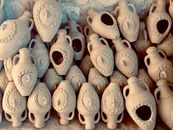
Collection of handcrafted clay jugs in Médenine, Tunisia, showcasing traditional pottery art.
Regional/Cultural Day

Products of Tunisia Day

You appreciate Tunisian olive oil, particularly from cooperatives and family producers that export globally, and Dar Caid Menad harissa paste, which captures the spiced heat of North African cuisine. You know that olive oil production anchors Tunisia's agricultural economy and cultural identity, while harissa represents the bold, essential flavors that define Tunisian cooking.