DR Congo Edition

August 30, 2026

World Shared Festival Table Day leads today's complete edition for DR Congo.

Daily Edition

Sunday, August 30, 2026

Official observances, world days, local context, and everyday celebrations for people who need something worth reading, sharing, or talking about today.

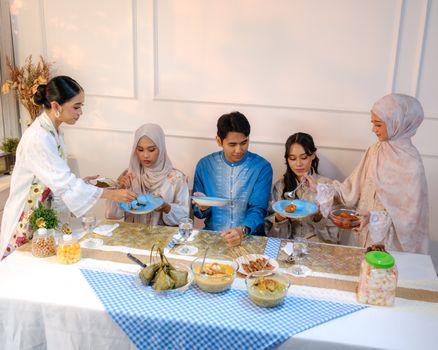
A joyful family enjoying a traditional iftar meal in Jakarta, dressed in cultural attire.
World Calendar Day

World Shared Festival Table Day

A day for the food, music, cleaning, decorating, travel, and welcome that turn an ordinary date into a gathering.

Leftover Lunch Day — World Calendar Day
Regional/Cultural Day

Leftover Lunch Day

The pot of fumbwa and cassava leaves from last night sits on the charcoal stove in Kinshasa. You scoop it into a bowl with a piece of chikwange, the smell filling the small courtyard. Lunch is a slow affair, the heat making you grateful for the shade and the second chance of yesterday's food.

The Saka Saka Second Day — World Calendar Day
Regional/Cultural Day

The Saka Saka Second Day

You unwrap the foil and find the saka saka and fufu from last night, still fragrant with garlic and palm oil. You reheat it over a small charcoal brazier, the smoke mingling with the noise of Kinshasa street life. The greens taste even better the next day, and you think about how some things improve with a little patience.

The Library Fan Buzz Day — World Calendar Day
Regional/Cultural Day

The Library Fan Buzz Day

The university library in Kinshasa has a reading room where the ceiling fans click like metronomes and the air smells of old paper and sweat. You sit at a long wooden table with a stack of notes, and the only sound is pages turning and a generator humming outside. It's a rare kind of quiet that lets you hear your own thoughts, and you realize you've been missing them.

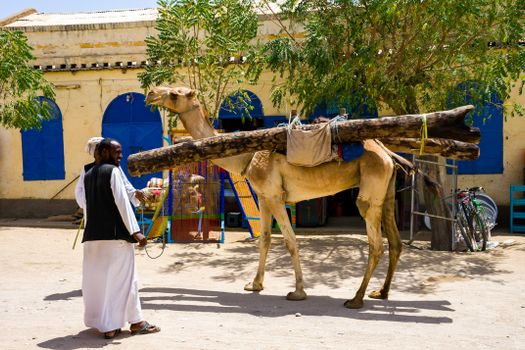
A man stands beside a camel carrying logs against a backdrop of colorful Eritrean architecture.
Regional/Cultural Day

Animals of Eritrea Day

You witness the hamadryas baboon and the African wild ass in Eritrea's varied landscapes. You observe that Eritreans primarily keep goats, camels, dogs, and chickens in their communities.