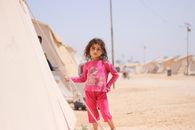
UN International Day
World Refugee Day
A United Nations observance honoring refugees and calling attention to protection, dignity, and welcome.
Kuwait Edition
World Refugee Day leads today's complete edition for Kuwait.
Daily Edition
Official observances, world days, local context, and everyday celebrations for people who need something worth reading, sharing, or talking about today.
A United Nations observance honoring refugees and calling attention to protection, dignity, and welcome.

A day for the doors, mats, shoes, keys, steps, and greetings that mark the passage between the world and home.
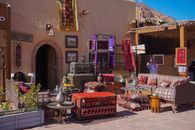
The longest day of the year in Kuwait, where the summer temperatures regularly exceed 50 degrees Celsius (122 degrees Fahrenheit) and the sun blazes for over 14 hours. Kuwait's desert climate (the "hay" or barren desert) is one of the harshest on earth, and the summer is a test of endurance. The traditional Kuwaiti architecture was designed for the heat: thick walls, narrow streets (sikka), wind towers (badgir), and interior courtyards that maximized shade and airflow. The modern city, with its glass towers and air-conditioned malls, has largely abandoned these principles, and the electricity consumption during summer strains the grid. The solstice is not celebrated but endured, and the Kuwaiti saying "al-saif saif al-mawt" (summer is the summer of death) is only half a joke.

A day for trust, conversation, mirrors, clippers, scissors, and leaving a little sharper than you arrived.
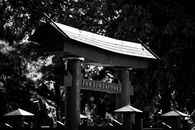
You marvel at Japan's native Japanese macaques, sika deer, and Japanese black bears that inhabit the country's forested regions. You see that Japanese households most frequently keep dogs, cats, and small ornamental fish such as koi and goldfish. ACADA celebrates the world's pets, and helps assure better care.
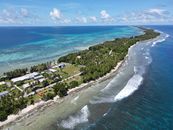
You encounter copra (dried coconut) and handicrafted outrigger canoes, the foundational products of Marshall Islands subsistence and seafaring heritage. You see how these goods represent the nation's deep connection to the ocean and the survival skills that sustained Micronesian communities across vast distances.