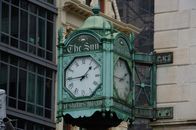
World Calendar Day
World Public Clock Day
A day for bells, watches, phones, station clocks, school clocks, prayer times, opening hours, and the agreements people make with time.
United States Edition
World Public Clock Day leads today’s complete edition for United States.
Daily Edition
Official observances, world days, local context, and everyday celebrations for people who need something worth reading, sharing, or talking about today.
A day for bells, watches, phones, station clocks, school clocks, prayer times, opening hours, and the agreements people make with time.
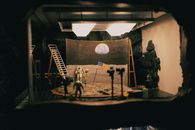
On July 20, 1969 two Americans stood on the moon and phoned home from 238,000 miles away. Neil Armstrong took one step and said something that has been quoted every single day since. The whole world watched and for about four minutes everyone was on the same team.

On July 20, 1969, Neil Armstrong stepped onto the lunar surface. In Huntsville, Alabama (where the Saturn V rocket was developed), this is a civic holiday. In Houston (where Mission Control is located), they say "Houston, we have a day." The Apollo program employed 400,000 people and cost $25 billion. The technology in your phone is more powerful than the computers that sent men to the moon. But they did it with slide rules and duct tape and the kind of audacity that only America could muster in 1969.
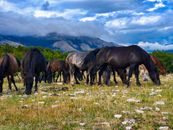
You encounter Eurasian lynx, Balkan chamois, and grey wolves as the distinctive wildlife native to Bosnia and Herzegovina. You keep dogs, cats, and rabbits as the most common pets in Bosnian and Herzegovinian homes. ACADA celebrates the world's pets, and helps assure better care.
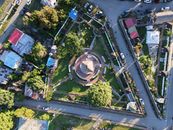
You recognize Timorese coffee, particularly from the Maubisse region, which produces distinctive arabica beans valued for their earthy, complex flavor and grown on volcanic soil. You know that coffee cultivation represents Timor-Leste's path to economic independence and connects rural farmers to international specialty markets.
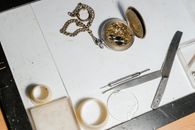
A day for mending the little thing before it becomes the expensive thing.

A day for the footwear that knows the job better than the person wearing it wants to admit. Across United States, it is a good excuse to notice the people, habits, tools, and routines that keep ordinary work moving.