World Common Cup Day
A day for tea, coffee, water, juice, and the conversations that begin when someone offers another person a drink.
Netherlands Edition
World Common Cup Day leads today's complete edition for Netherlands.
Daily Edition
Official observances, world days, local context, and everyday celebrations for people who need something worth reading, sharing, or talking about today.
A day for tea, coffee, water, juice, and the conversations that begin when someone offers another person a drink.
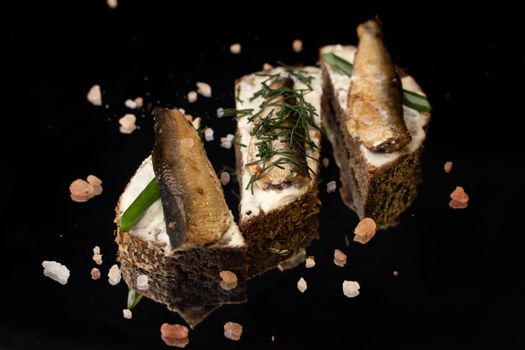
The herring season is one of the most important events in the Dutch culinary calendar, and the tradition is to eat the nieuwe haring (new herring) at the haringkar (herring cart). The herring is gutted and salted on the fishing boat, and it is served with chopped onions and pickles. The tradition is to hold the herring by the tail, tilt your head back, and lower the fish into your mouth. The herring season begins in late May or early June, and the first barrel of nieuwe haring is auctioned for charity. The Dutch eat approximately 60 million herring per year, and the haringkar is a fixture on every street corner in the Netherlands. The herring is one of the most important foods in Dutch history, and the herring fishery was the foundation of the Dutch economy in the 17th century. The Dutch pioneered the technique of gutting and salting the herring on the boat (the "haringkaken" method), which allowed the fishing boats to stay at sea for longer periods and catch more fish.

A day for identifying the container, making a brave decision, and clearing space for food people actually recognize.
A day for the handwritten notice, the open sign, the sale tag, and the shopkeeper making the day work.
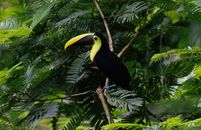
You observe jaguars, pumas, and Baird's tapirs as the most iconic wildlife native to Belize. You commonly keep dogs, cats, and iguanas as pets throughout Belizean communities. ACADA celebrates the world's pets, and helps assure better care.
You appreciate Tunisian olive oil, particularly from cooperatives and family producers that export globally, and Dar Caid Menad harissa paste, which captures the spiced heat of North African cuisine. You know that olive oil production anchors Tunisia's agricultural economy and cultural identity, while harissa represents the bold, essential flavors that define Tunisian cooking.