World Borrowed Tool Day
A day for the neighborly economy of ladders, pans, cords, books, advice, and returning things better than you found them.

Namibia Edition
World Borrowed Tool Day leads today's complete edition for Namibia.
Daily Edition
Official observances, world days, local context, and everyday celebrations for people who need something worth reading, sharing, or talking about today.
A day for the neighborly economy of ladders, pans, cords, books, advice, and returning things better than you found them.
The Bengal Subah is the richest province of the Mughal Empire. The muslin of Dhaka is so fine that the British will call it woven wind. The rice paddies feed millions. The rivers are highways. The Portuguese, the Dutch, and the British are all trading in Hughli and the wealth is extraordinary.
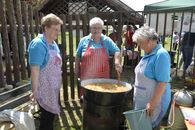
A culinary celebration in Swakopmund featuring dishes made from desert ingredients: gemsbok, springbok, ostrich, wild spinach, and the !nara melon, a desert fruit that has sustained the Topnaar people of the Namib for centuries. The !nara (Acanthosicyos horridus) grows on the sand dunes and produces a melon rich in water, protein, and oil. The Topnaar harvest the !nara in December and January, and the fruit is eaten fresh, dried, or pressed for oil.
A day for leaving early, finding the route, watching the platform, and giving everyone a little room.
A day for bakeries, kitchens, markets, ovens, and the aroma that can turn a street corner into a memory.
You observe the distinctive Niue Island reef heron and Pacific golden plover that inhabit this isolated South Pacific nation. You notice that Niueans primarily keep chickens, pigs, and dogs as practical domesticated animals. ACADA celebrates the world's pets, and helps assure better care.
You know Grenada's nutmeg and mace production, which supplies over one third of the world's nutmeg and has earned the island the nickname 'Isle of Spice' since colonial times. You understand that nutmeg is woven into Grenadian identity, economy, and cuisine, appearing on the national flag and remaining central to both local cooking and global spice markets.