Official Public Holiday
La Fête du Prince
La Fête du Prince is listed as a public holiday in Monaco. English reference name: National Day.
Monaco Edition
La Fête du Prince leads today's complete edition for Monaco.
Daily Edition
Official observances, world days, local context, and everyday celebrations for people who need something worth reading, sharing, or talking about today.
La Fête du Prince is listed as a public holiday in Monaco. English reference name: National Day.

A day for the meals, manners, recipes, and ordinary hospitality that help people understand one another.

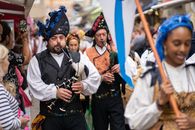
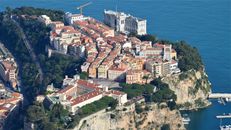
The National Day of Monaco is celebrated on November 19th (the feast day of Saint Rainier, the patron saint of Prince Rainier III), and it is the most important holiday in the principality. The celebration includes a Mass at the Cathedral of Monaco, a military parade, the awarding of honors and decorations, and a fireworks display over Port Hercule. The Prince and the Princely Family appear on the balcony of the Palais Princier, and the crowd cheers "Vive le Prince!" The National Day is both celebration and identity, and the Monégasques are fiercely proud of their independence. Monaco is the second-smallest independent state in the world (after Vatican City), and at just 2.02 square kilometers, it is smaller than Central Park in New York. Yet it has survived for over 700 years as a sovereign state : through wars, revolutions, annexations, and economic crises : and the National Day is a reminder that the Grimaldis have held Le Rocher since January 8, 1297, when François Grimaldi, disguised as a monk, seized the fortress by stealth. The National Day was historically celebrated on the feast day of the reigning prince's patron saint, and Prince Albert II chose to keep his father's date (November 19) as a mark of respect.
A day for borrowing, lifting, watching, warning, checking in, and making the block feel less anonymous.

A day for practical kindness when weather interrupts the plan.
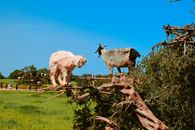
You witness the Barbary macaque, Dorcas gazelle, and fennec fox thriving in Morocco's varied ecosystems. You observe that dogs, cats, and horses are the primary animals that Moroccan families maintain as pets. ACADA celebrates the world's pets, and helps assure better care.
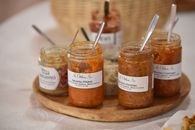
You indulge in Zwack Unicum, Hungary's centuries-old digestif made from 40 different herbs with a recipe guarded since 1790. You appreciate that this bitter liqueur represents Hungarian craftsmanship and appears at family tables as both medicine and tradition across generations.