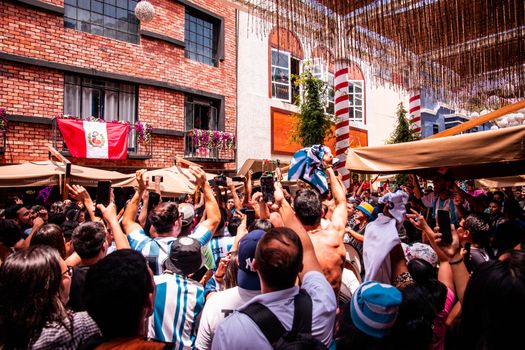
Official Public Holiday
L-Indipendenza
L-Indipendenza is listed as a public holiday in Malta. English reference name: Independence Day.
Malta Edition
L-Indipendenza leads today's complete edition for Malta.
Daily Edition
Official observances, world days, local context, and everyday celebrations for people who need something worth reading, sharing, or talking about today.
L-Indipendenza is listed as a public holiday in Malta. English reference name: Independence Day.
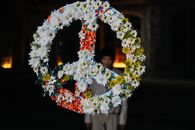
A United Nations observance dedicated to peace, non-violence, and shared human dignity.

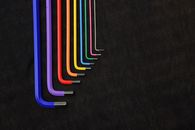
A day for workshops, repairs, craft tables, garages, sheds, studios, and the satisfaction of making something work.
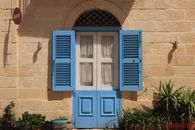
The anniversary of Malta's independence from Britain on September 21, 1964. The celebration includes a military parade, the president's address, and the flying of the Maltese flag (white and red with the George Cross). The day is both celebration and reflection, because the independence was achieved through negotiation, not war, and the Maltese are proud of their diplomatic tradition. The Maltese flag is one of the oldest in the world: the white and red stripes date back to the Norman period (1090), and the George Cross was added in 1943 by King George VI as a recognition of the bravery of the Maltese people during World War II. Malta is the only country in the world to have a decoration from another country on its national flag.
A day for herbs, flowers, seedlings, balcony pots, and every bit of green people manage to keep alive.

A day for the quick meal, the regular customer, the busy cook, and the food people rely on between obligations.
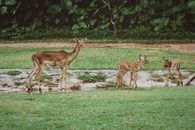
You encounter the vibrant Guam rail, Micronesian kingfisher, and flying lemurs that define this Pacific island's unique ecosystem. You commonly see Filipinos and native Chamorros keeping fighting cocks, parrots, and tropical fish as beloved household companions. ACADA celebrates the world's pets, and helps assure better care.
You celebrate Niger's centuries-old indigo textile tradition and the brilliant hand-dyed fabrics that define Nigerien identity and trade across West Africa. You recognize how these locally-produced cloths represent both cultural heritage and economic survival for countless artisans and families who have perfected the craft across generations.