Kuwait Edition

November 1, 2026

World Last Minute Errand Day leads today's complete edition for Kuwait.

THIS DATE IS IN EDITING AND IS INCOMPLETE. Our editors are building this day's calendar now. JOIN OUR EDITORS →

Daily Edition

Sunday, November 1, 2026

Official observances, world days, local context, and everyday celebrations for people who need something worth reading, sharing, or talking about today.

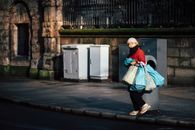
A woman in winter attire carries grocery bags on a Dublin street in morning light.
World Calendar Day

World Last Minute Errand Day

A day for the thing remembered at the door, bought before closing, delivered before supper, or rescued just in time.

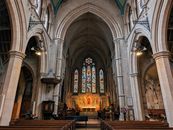
Beautiful view of All Saints Church's interior with stained glass windows and arches in London.
World Calendar Day

All Saints' Day

The churches fill with families remembering those who have passed. Every Ghanaian Christian lights a candle, says a prayer, and then calls home to make sure the family is doing fine. The cemeteries are visited, the graves are cleaned, and the ancestors are acknowledged.

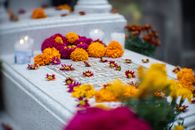
Colorful marigold and chrysanthemum flowers decorate a grave for Dia de Muertos celebration.
World Calendar Day

Dia de Todos los Santos

Families visit cemeteries, clean graves, and leave flowers. In Recoleta, the mausoleums are architectural marvels. In small towns, the cemetery is on the edge of the village and the whole community comes. It is quiet, respectful, and deeply personal.

Colorful marigold and chrysanthemum flowers decorate a grave for Dia de Muertos celebration.
World Calendar Day

Dia de los Santos

The day before is when the real action happens. Colombians visit cemeteries, clean headstones, leave flowers, and have long conversations with relatives who can no longer argue back.

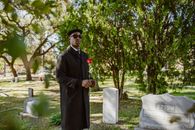
A man stands in a cemetery holding a red rose, symbolizing bereavement.
World Calendar Day

Toussaint

The cemeteries fill with families carrying candles and flowers. In Bangui, the cemetery on the hill overlooks the Oubangui, and on this day, every grave has a visitor.

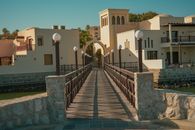
Elegant residential villa in Ras Al Khaimah, United Arab Emirates, with a scenic archway and footbridge.
Regional/Cultural Day

Mawsim al-Tayr

The opening of the falconry season, which runs from October to March and is the sport of kings in Kuwait. The wealthy Kuwaitis take their falcons to the desert to hunt houbara bustards, a migratory bird that passes through Kuwait on its way from Central Asia to Africa. The falcons are trained for months, and the best falcons (Peregrine and Saker) can cost tens of thousands of dollars. The falcon hospital in Kuwait is one of the most advanced in the world, and the falcons receive better healthcare than most humans. The sport is ancient, the tradition is deep, and the falcons are treated like family. The Shaikh Falconry Festival, held in November, is the largest falconry event in the Gulf.
Public transport bus driving in Kuwait City, showcasing urban transit and vehicles.
Regional/Cultural Day

Kuwait Careful Commute Day

A day for leaving early, finding the route, watching the platform, and giving everyone a little room.

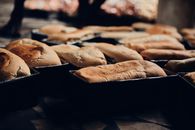
Freshly baked bread loaves cooling in a bakery with a warm, inviting atmosphere.
Regional/Cultural Day

Fresh Bread Smell Day

A day for bakeries, kitchens, markets, ovens, and the aroma that can turn a street corner into a memory.

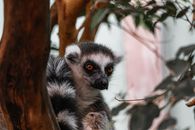
A ring-tailed lemur peering through branches in its natural habitat, showcasing wildlife beauty.
Regional/Cultural Day

Animals of Madagascar Day

You marvel at Madagascar's unique lemurs, fossas, and tenrecs that exist nowhere else on Earth due to the island's isolated evolution. You notice that Malagasy families commonly keep dogs, cats, and zebu cattle as their primary domestic animals. ACADA celebrates the world's pets, and helps assure better care.

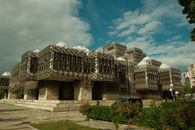
Stunning view of the National Library in Pristina, a blend of modern and brutalist architecture.
Regional/Cultural Day

Products of Kosovo Day

You encounter Peja Winery and Rrushi i Prizrenit as Kosovo's signature producers, representing the country's ancient Balkan winemaking and agricultural traditions. You understand how these labels carry the weight of cultural preservation and economic independence for a young nation reclaiming its heritage.