India Edition

April 14, 2027

Ambedkar Jayanti leads today's complete edition for India.

THIS DATE IS IN EDITING AND IS INCOMPLETE. Our editors are building this day's calendar now. JOIN OUR EDITORS →

Daily Edition

Wednesday, April 14, 2027

Official observances, world days, local context, and everyday celebrations for people who need something worth reading, sharing, or talking about today.

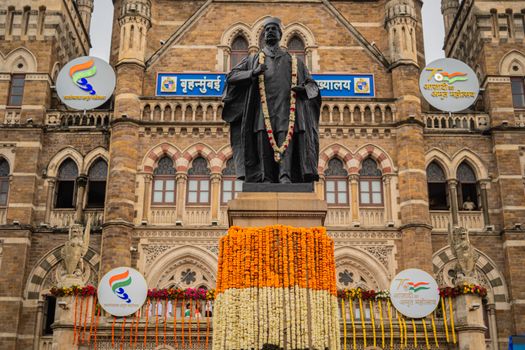
Decorated statue in front of iconic Mumbai edifice, exuding cultural heritage.
Regional/Cultural Day

Ambedkar Jayanti

The architect of India's constitution, born into the Dalit caste, who fought his entire life against caste discrimination. On his birthday, millions of Dalits visit his memorial in Mumbai, and the procession is so large that it shuts down the city. He is not just a historical figure. He is a living argument against the caste system, and his birthday is a pilgrimage.
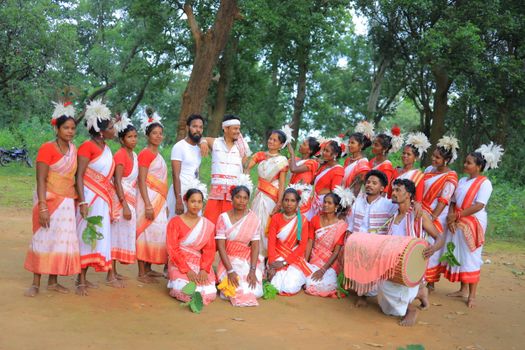
Group of adults in traditional red and white attire performing a tribal dance in a forest setting.
Regional/Cultural Day

Bihu

The Bohag Bihu is the Assamese harvest festival, and it is the loudest, most joyful celebration in the Northeast. Young men and women dance the Bihu dance in fields and courtyards, the dhol (drum) beats like a heartbeat, and the pepa (buffalo horn pipe) provides the melody. The dance is flirtatious, the lyrics are playful, and the entire state dances for seven days.

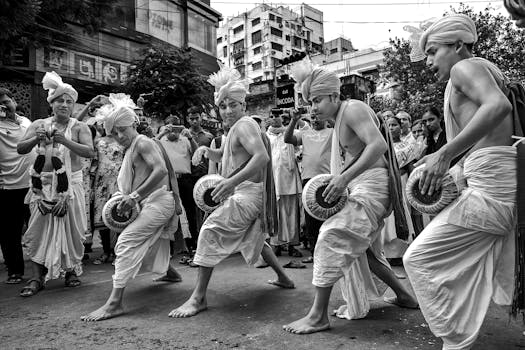
Traditional dancers performing during a festive street parade in Kolkata, depicting rich cultural heritage.
Regional/Cultural Day

Bihu Dance Season

The Bihu dance is performed during Bohag Bihu (April), and it is the most flirtatious dance in India. Young men and women dance in synchronization, their hips and arms moving in patterns that are exactly choreographed but look completely spontaneous. The dhol beats like a heartbeat, the pepa wails like a call, and the dancers move like they were born knowing the steps. Which, in Assam, they were.

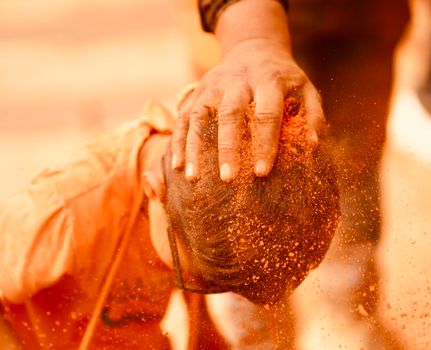
A vibrant festival scene in Nepal showing a traditional ritual with colored powder.
Regional/Cultural Day

Poila Baisakh

In Bengal, the new year begins with new clothes, new account books, and a procession through the streets of Kolkata. The account books are the Hindu equivalent of starting fresh: old debts are settled, and new ones are not yet due. The sweet shops sell their best sandesh, and the taxi drivers are slightly less aggressive for one day.

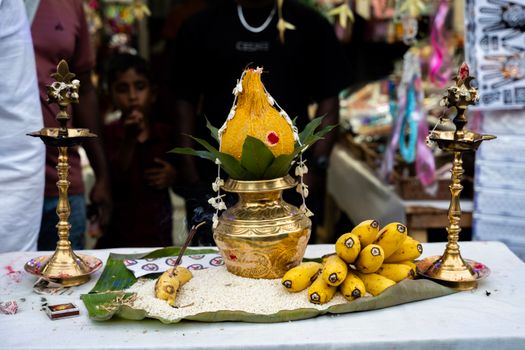
A vibrant setup for a Hindu ritual with traditional brass items, fruits, and decorative elements.
Regional/Cultural Day

Puthandu

The Tamil new year begins with a ritual viewing of auspicious items: gold, betel leaves, coconuts, fruits, and flowers, arranged on a plate and seen first thing in the morning. The arrangement is called Kanni, and what you see first on the new year sets the tone for the next 365 days. The mango pachadi (sweet-sour chutney) is mandatory.

A vibrant setup for a Hindu ritual with traditional brass items, fruits, and decorative elements.
Regional/Cultural Day

Vishu

In Kerala, the new year begins with Vishu Kani: an arrangement of auspicious items (coconut, flowers, gold, rice, and a mirror) that must be seen first thing in the morning. The night before, the eldest woman of the house sets up the Kani, and at dawn, she wakes each family member with eyes closed, leads them to the Kani, and tells them to open their eyes. What you see first on Vishu determines your year.

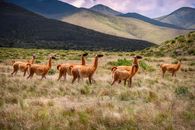
Herd of llamas in a tranquil grassland with scenic mountain backdrop.
Regional/Cultural Day

Animals of Chile Day

You marvel at the Andean condor soaring over mountains and the endangered Magellanic penguin swimming in southern waters. You see that Chileans keep dogs and cats as the most popular pets, with some rural families maintaining horses and llamas. ACADA celebrates the world's pets, and helps assure better care.

A vibrant display of Trinidad and Tobago souvenirs in a Caribbean gift shop.
Regional/Cultural Day

Products of Solomon Islands Day

You understand that Solomon Islands is known for its copra and cocoa production, which form the economic foundation of the nation's exports. You recognize that these agricultural products carry the identity of island life and subsistence farming traditions that have sustained Solomon Islander communities for generations.