Guyana Edition

February 23, 2027

Mash Day leads today's complete edition for Guyana.

THIS DATE IS IN EDITING AND IS INCOMPLETE. Our editors are building this day's calendar now. JOIN OUR EDITORS →

Daily Edition

Tuesday, February 23, 2027

Official observances, world days, local context, and everyday celebrations for people who need something worth reading, sharing, or talking about today.

Delicious sausages with mashed potatoes and vegetables on a white plate.
Regional/Cultural Day

Mash Day

The main event: costumed bands parade through the streets competing for prizes. The costumes are enormous, the music is deafening, and the rum is flowing. Children ride on their parents' shoulders, and every band has a theme that is either patriotic or satirical, never both.


African male with dreadlocks raising flag of Ghana country with colorful stripes while looking away in town
Regional/Cultural Day

Republic Day / Mashramani

Guyana's biggest festival, celebrating becoming a republic in 1970. "Mashramani" is from an Amerindian word meaning "celebration after hard work." Floats, costumes, calypso competitions, and the whole country dances in the streets. The word everyone uses is "Mash," and it is the one day when every Guyanese person, at home or abroad, wishes they were in the streets of Georgetown.

A wild boar forages for food in a Miami park, Florida, USA.
Regional/Cultural Day

Animals of Wallis and Futuna Day

You find that seabirds including frigatebirds and boobies are the most distinctive wildlife native to Wallis and Futuna's islands. You notice that residents commonly keep pigs, chickens, and dogs as working and companion animals. ACADA celebrates the world's pets, and helps assure better care.

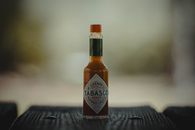
Close-up of a Tabasco sauce bottle on a wooden surface, emphasizing its spicy essence.
Regional/Cultural Day

Products of American Samoa Day

You find Samoa Tala currency and locally-produced coconut oil and taro products, which form the backbone of American Samoan subsistence and export economy. You understand these agricultural staples as essential to Samoan cultural practices and family food security.