Guyana Edition

November 30, 2026

World Lost Sock Day leads today's complete edition for Guyana.

THIS DATE IS IN EDITING AND IS INCOMPLETE. Our editors are building this day's calendar now. JOIN OUR EDITORS →

Daily Edition

Monday, November 30, 2026

Official observances, world days, local context, and everyday celebrations for people who need something worth reading, sharing, or talking about today.

Soft focus of washed multicolored socks hanging on rope with clothespins outdoors on sunny summer day against natural background
World Calendar Day

World Lost Sock Day

A day for the universal mystery of laundry, missing pairs, household systems, and the small comic defeats of domestic life.


Person using a digital payment terminal on a wooden desk with cash and receipts visible.
Regional/Cultural Day

Guyana Receipt Drawer Day

A day for the proof of purchase nobody can find until the warranty is over.

A red fire hydrant stands prominently in a rainy urban parking lot with a stop sign in view.
Regional/Cultural Day

Rain Plan Day

A day for umbrellas, towels by the door, backup shoes, covered stalls, and the local wisdom of wet weather.

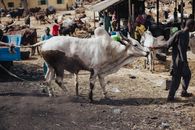
A busy cattle market scene, showcasing cattle and people in an open agricultural setting.
Regional/Cultural Day

Animals of Nigeria Day

You encounter the iconic African elephant, lion, and African buffalo that roam Nigeria's savannas and protected reserves. You find that Nigerians commonly keep domestic dogs, cats, and chickens as household pets and livestock. ACADA celebrates the world's pets, and helps assure better care.

Colorful snack packages neatly displayed in a supermarket aisle showcasing Asian food variety.
Regional/Cultural Day

Products of Guadeloupe Day

You celebrate Rhum Agricole from Guadeloupe, the distinctive agricultural rum produced directly from fresh sugarcane juice rather than molasses, which defines Caribbean rum culture and remains the heart of the island's distilling heritage. You recognize how brands like Rhum Damoiseau and Rhum JM represent generations of family craftsmanship and the island's economic and cultural identity since the 17th century.