Fiji Edition

January 15, 2029

Na Cau Ni Uvi leads today's complete edition for Fiji.

THIS DATE IS IN EDITING AND IS INCOMPLETE. Our editors are building this day's calendar now. JOIN OUR EDITORS →

Daily Edition

Monday, January 15, 2029

Official observances, world days, local context, and everyday celebrations for people who need something worth reading, sharing, or talking about today.

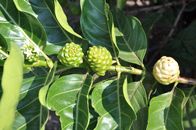
Detailed view of noni fruit and leaves. Perfect for nature and agriculture themes.
Regional/Cultural Day

Na Cau Ni Uvi

Seasonal. The first yams are pulled from the earth and the village celebrates. The uvi is not just food, it is currency, it is respect, it is the crop you bring to your chief and your in-laws. A man who grows good yams is a man who can be trusted. A man who brings good yams to sevusevu will always be welcomed.

Fashionable woman in denim jacket with sunglasses stands under a bridge by the river.
Regional/Cultural Day

Na Duruka Ni Wasawasa

Seasonal. The duruka is the seasonal delicacy that appears in markets for only a few weeks each year. The unopened flower shoots of a wild cane, cooked in coconut cream, they taste like asparagus crossed with bamboo shoots crossed with something that only grows in Fiji. Every Fijian who has moved to the city or overseas asks for duruka first when they come home. The answer is always the same: "You just missed it."

A wild macaque monkey strolls confidently down a leafy, sunlit jungle path.
Regional/Cultural Day

Na Mu

Seasonal. The mango trees of Fiji drop their fruit in such abundance that the market prices crash and every roadside stall has buckets of mangoes for two dollars. The children eat them over the sink. The women make chutney. The men eat them with grog, which is a combination no outsider would think of but every Fijian swears by. The juice runs down your chin. The stains on your sulu are the evidence.

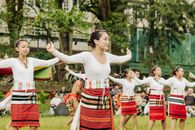
Group of women performing a traditional dance in colorful costumes, celebrating cultural heritage.
Regional/Cultural Day

Na Siga Ni Mu Lailai

Seasonal. The mango tree in the village drops mangoes in such numbers that the ground is covered. The children gather them. The women make chutney. The men eat them fresh. The dogs eat the fallen ones. The tree gives and gives and gives. Nobody planted it. Nobody waters it. It simply exists and feeds the village. The mango tree is the vanua in plant form: generous, rooted, and eternal.